
🔍 Pest Identification
Level
Damaged
Speed
Forecast
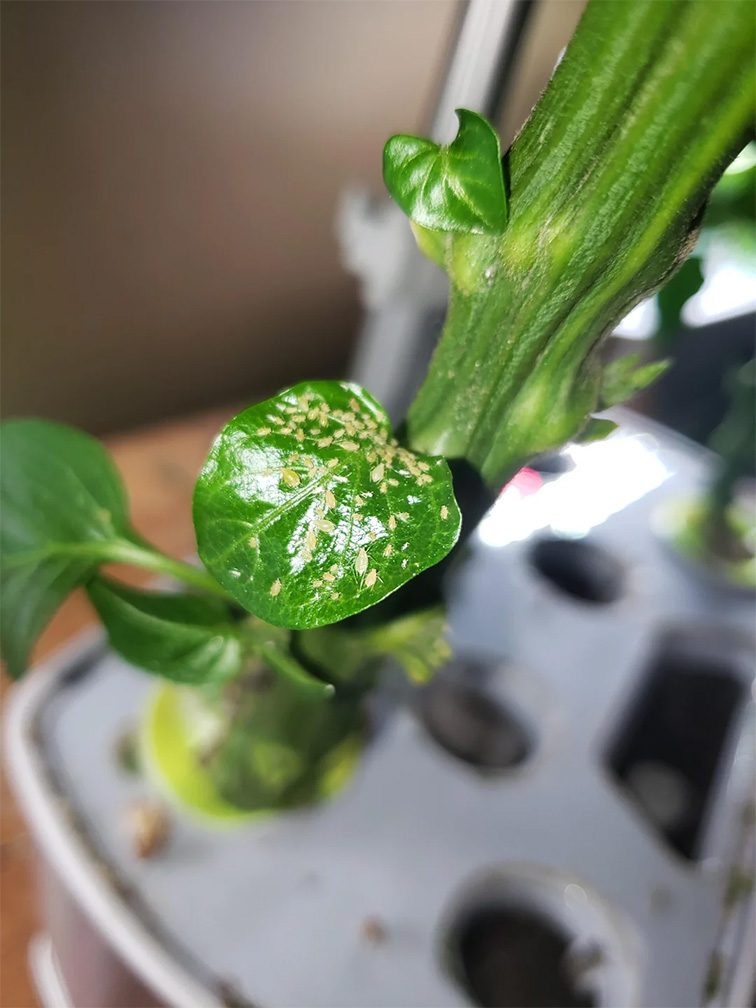
This leaf shows a cluster of aphids (plant lice)—small, soft-bodied insects that gather on tender growth and undersides of leaves. In the photo you can see many pale green/cream, pear-shaped bugs packed together. Aphids pierce the plant and suck sap, which weakens new growth and can spread quickly in indoor hydroponic systems.
⚠️ Damage Report
Active infestation is visible (multiple aphids on one small leaf). Early-to-moderate damage is present: speckling/patchy pale areas where they’ve been feeding, and the leaf surface looks stressed and shiny (often from sticky honeydew). If not controlled soon, expect leaf curling, stunted new growth, sticky residue, and possible sooty mold on leaves from the honeydew.
🛡️ Containment Protocol
1) Isolate this pod/plant from the others if possible. Aphids spread easily by contact and air movement.
2) Manual knockdown (fastest reset): take the plant to a sink and rinse the leaf undersides with a firm stream of water to dislodge aphids. Repeat daily for 3–5 days.
3) Use traps to monitor adults: place Yellow Sticky Traps close to the canopy to catch any winged aphids and to track progress.
4) Improve air movement: aim a gentle, constant breeze across the leaves with a Clip Fan . This makes it harder for aphids to settle and helps leaves dry after rinsing/sprays.
5) Targeted plant-safe spray (hydro-friendly): apply a hydro-safe contact insecticidal spray labeled for edible crops (e.g., insecticidal soap or horticultural oil) as a Plant Treatment . Spray mainly undersides, and repeat every 3–4 days for 2 weeks. Avoid spraying into the reservoir.
6) Sanitation & re-checks: wipe nearby surfaces, remove the most infested small leaves with clean snips, and inspect new growth every 1–2 days. Keep sticky traps up until you see no aphids for 10–14 days.
🛒 Recommended Products
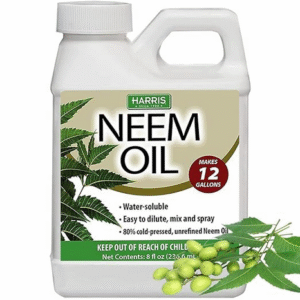
Neem Oil Cold Pressed Water Soluble Concentrate
POWERFUL NATURAL FUNGICIDE: Harris Cold-Pressed Neem Oil is a potent natural solution, ideal for maintaining healthy …
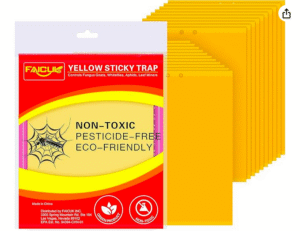
20 Pack Dual Sided Yellow Sticky Traps for Flying Plant Insect Like Fungus Gnats, Aphids, Whiteflies, Leafminers
Attracitive Color – Gnat sticky traps specially designed for flying plant pests that like yellow color and easily tra…
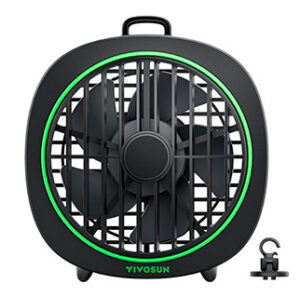
AeroWave D4, 4” Clip Fan with Detachable Hook, 3-Speed Strong & Quiet Airflow, Adjustable Airflow Angle for Hydroponics
3-Speed Settings: With one-touch operation that cycles through three speed presets up to 3500 RPM, this compact fan o…