
📊 Crop Data
🔍 Pest Identification
Level
Damaged
Speed
Forecast
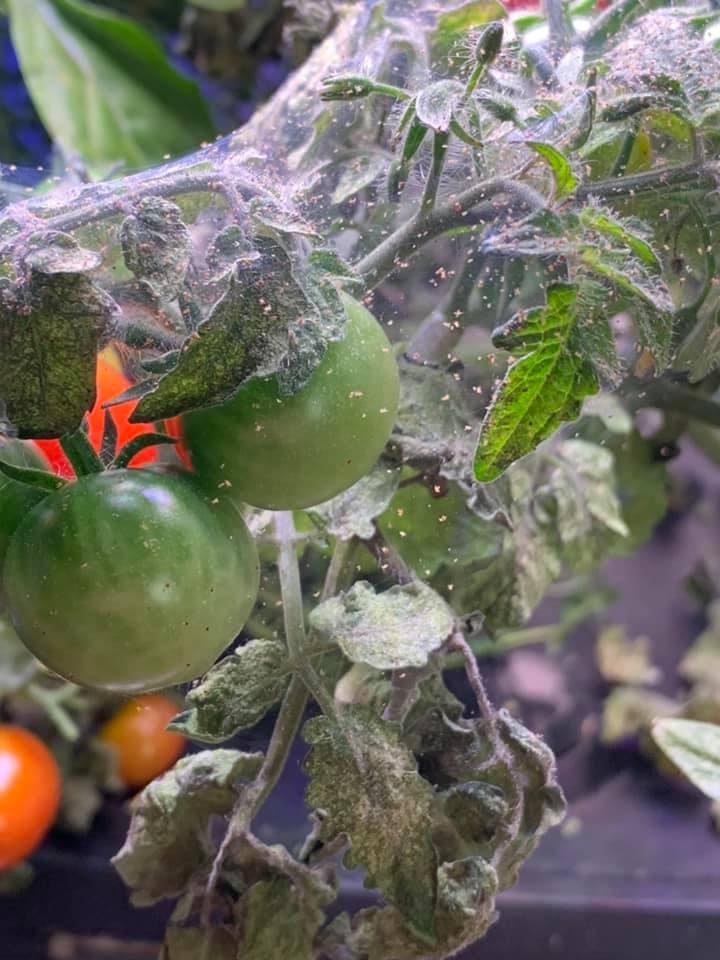
Spider mites (often two-spotted spider mite) are present. The photo shows heavy webbing over tomato stems and leaves, plus many tiny pale specks consistent with mites and shed skins. Spider mites feed by piercing leaf cells and sucking out the contents, which causes a dusty/bronzed look and rapid leaf decline. In hydroponics, they usually explode when the air is warm and dry and there’s little airflow through the canopy.
⚠️ Damage Report
Damage is advanced. Leaves are gray/bronzed, curled, and crispy with significant dieback, and the plant is covered in thick webbing—this is a late-stage sign of a high mite population. Fruit may still size up, but the plant’s ability to photosynthesize is being hit hard, so yield and vigor will drop quickly if not contained.
🛡️ Containment Protocol
1) Isolate and triage immediately: Move this tomato away from other plants (or at least create space). Webbing means mites are already spreading.
2) Hard rinse to knock numbers down (fastest impact): Take the plant to a sink/shower area and rinse the entire canopy with a strong stream of water, focusing on undersides of leaves and growing tips. This physically removes mites and webs so treatments can reach them.
3) Prune the worst growth: Use Pruning Shears to remove the most webbed, dead, or heavily bronzed leaves. Bag and discard—don’t compost indoors. This reduces the mite “factory” and improves spray coverage.
4) Add continuous monitoring: Place Yellow Sticky Traps near the canopy. These won’t catch many mites, but they help you spot other hitchhikers (whiteflies/thrips) and track overall pest pressure while you treat.
5) Apply a hydro-safe foliar miticide/insecticidal soap (repeat schedule matters): Use a labeled Plant Treatment that is safe for edible crops and suitable for hydro grows (e.g., insecticidal soap or horticultural oil). Spray to full coverage (especially undersides) until leaves glisten, but avoid soaking flowers. Repeat every 3 days for 3–4 rounds to catch newly hatched mites (eggs survive many sprays).
6) Improve airflow to slow reinfestation: Run a Clip Fan to keep leaves gently moving and reduce hot, stagnant pockets where mites thrive. Better airflow also helps sprays dry evenly and reach more surfaces.
If webbing reappears within a week, the infestation is still active—keep the 3-day repeat cycle and consider removing the most infested plant if it’s acting as the source for your whole system.
🛒 Recommended Products
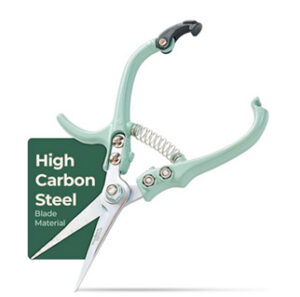
Modern Sprout Pruning Shears, Herb Snipping Scissors, Lightweight Gardening Tools W/Easy Lock
Plant Care – Gift Ready: These gardening shears are perfect for trimming herbs and flowers with accuracy, thanks to c…

Neem Oil Cold Pressed Water Soluble Concentrate
POWERFUL NATURAL FUNGICIDE: Harris Cold-Pressed Neem Oil is a potent natural solution, ideal for maintaining healthy …
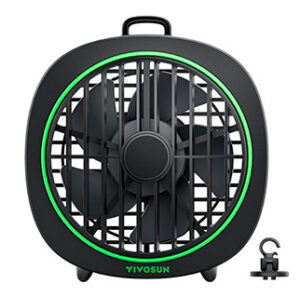
AeroWave D4, 4” Clip Fan with Detachable Hook, 3-Speed Strong & Quiet Airflow, Adjustable Airflow Angle for Hydroponics
3-Speed Settings: With one-touch operation that cycles through three speed presets up to 3500 RPM, this compact fan o…
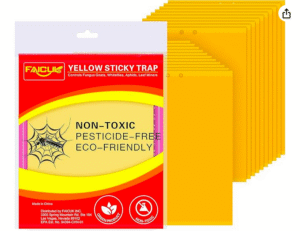
20 Pack Dual Sided Yellow Sticky Traps for Flying Plant Insect Like Fungus Gnats, Aphids, Whiteflies, Leafminers
Attracitive Color – Gnat sticky traps specially designed for flying plant pests that like yellow color and easily tra…