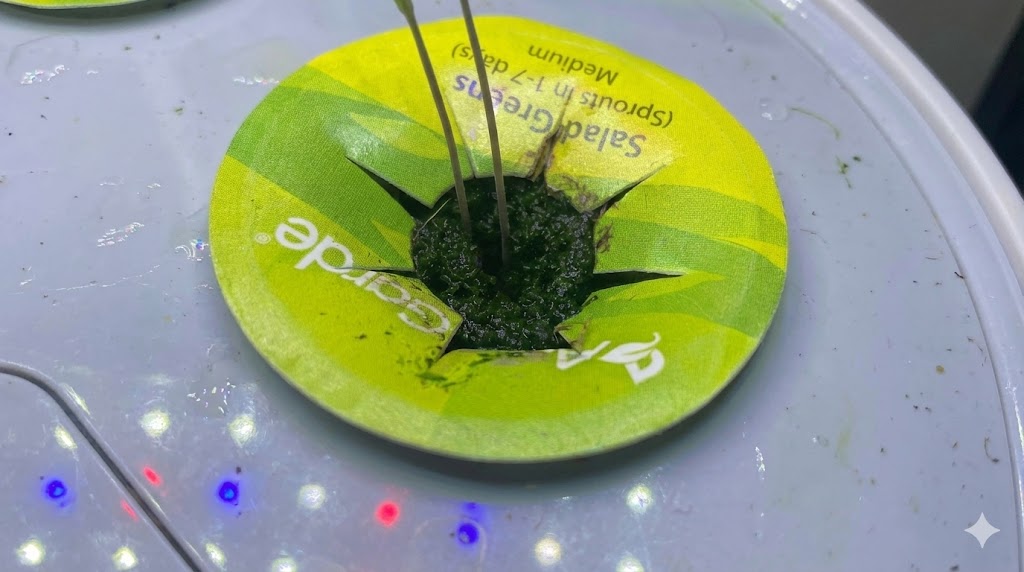
Looking at your SmartGarden and noticing a green, slimy layer on the sponges is one of the most common questions we get. While they may seem harmless at first, algae are unwanted guests that, if left unchecked, can compete with your plants and affect their development.
The good news is that they’re very easy to prevent and eliminate if you act quickly.
Note: This article includes AI-generated images and illustrations to enhance your reading experience.
🧫 What are algae, really?
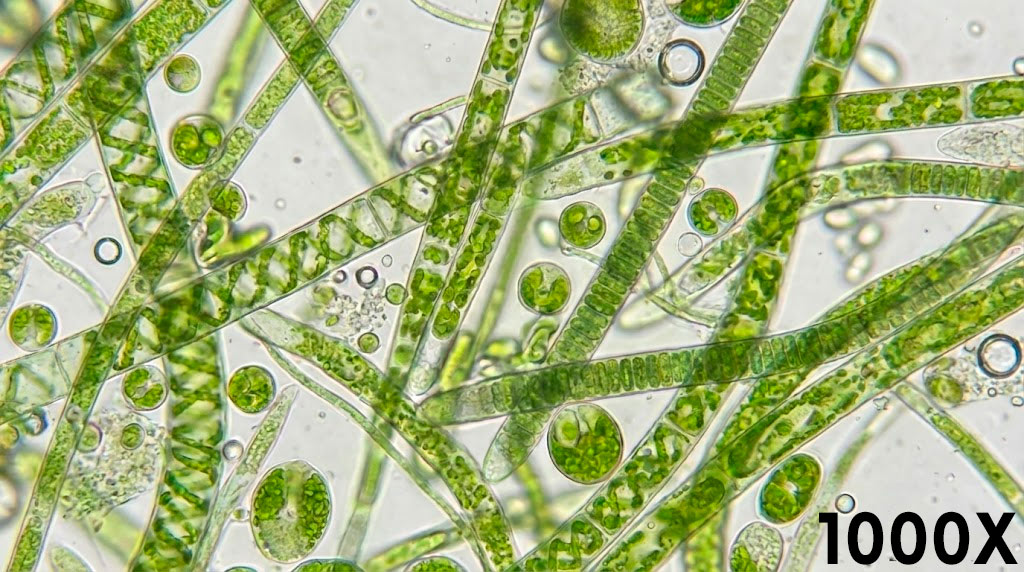
Algae aren’t just green stains — they’re the original architects of life on Earth. With a lineage stretching back more than 3.5 billion years, these organisms ruled the planet long before dinosaurs or trees existed, and they were responsible for filling our atmosphere with oxygen. With no roots, stems, or complex structures, they are pure photosynthetic efficiency. Basically, when they show up in your sponges, you’re dealing with the oldest and most persistent surviving organism in history.
🦠 Why do algae appear in the sponges?
To grow, algae only need two things: light and constant moisture. Hydroponic sponges offer the perfect environment — they’re soaked in nutrient solution and receive powerful light from the LEDs. The most common causes are:
- Inadequate coverage: If the sticker doesn’t fully cover the hole or has peeled off, light hits the wet sponge surface directly.
- Excess surface moisture: If the pump splashes too much, the top of the sponge stays soaked, inviting algae to settle in.
- Uncovered empty slots: Leaving open spaces in the system allows light to enter the tank, generating algae not just on neighboring sponges but throughout the entire reservoir.
⚠️ Are they dangerous for my plants?
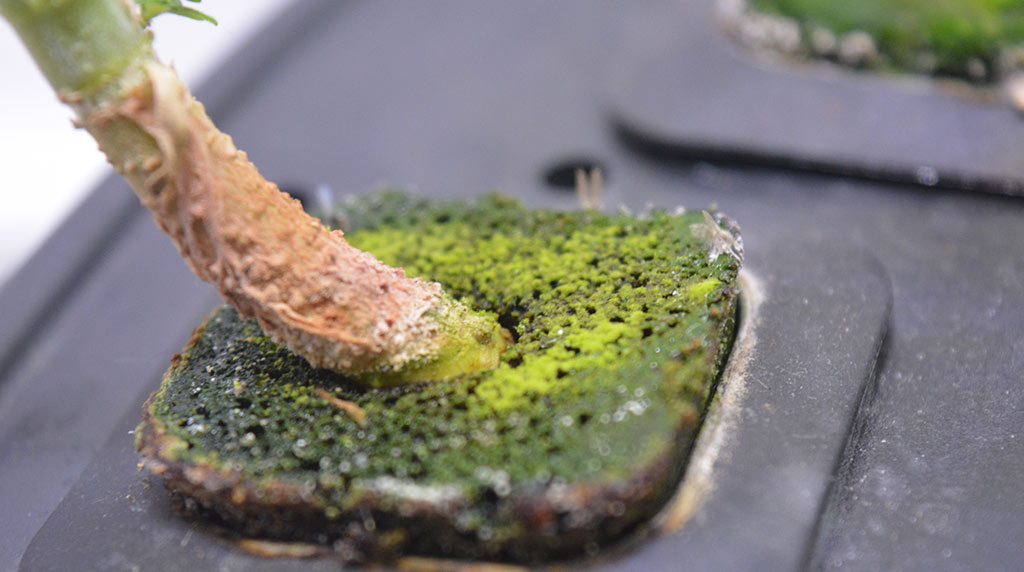
Don’t panic, but don’t ignore them either. At low levels they’re more of a visual nuisance than a serious threat. However, if you let them spread, they can cause real problems:
- They steal oxygen: They compete with young roots for dissolved oxygen in the water.
- They destabilize pH: They can cause fluctuations that make nutrient absorption harder.
- They attract pests: A sponge with algae and decomposing matter is a magnet for fungus gnats.
- They block growth: If the layer gets thick enough, it can suffocate the stem of a small seedling.
🛠️ How to eliminate algae (step by step)
1. Gentle manual cleaning There’s no need to remove the plant entirely. Lift the pod slightly and examine the surface. Using a cotton swab, a piece of paper towel, or a small spoon, gently scrape away the green layer. Do it carefully so you don’t damage the stem or roots.
2. Block the light (the permanent fix) Cleaning is pointless if light keeps reaching the wet sponge. Algae cannot survive in the dark.
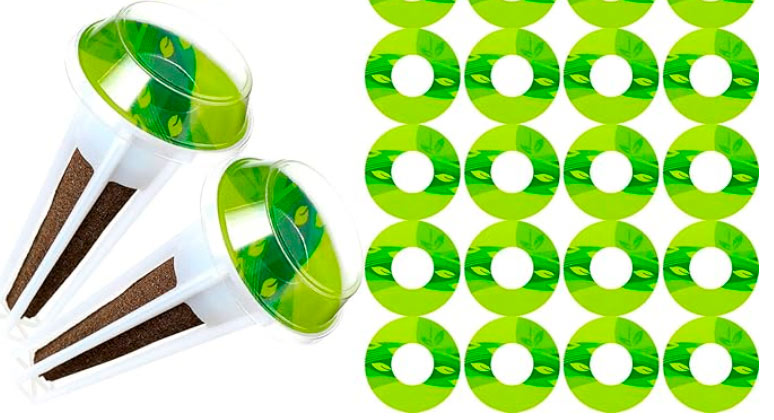
200 Seed Pot Labels PVC – Stick Hydroponic Plant Label for Seedlings Seed
- Stickers: Make sure the labels cover the entire sponge surface, leaving only the center hole for the plant to grow through.
- DIY solution: If the original stickers tore or peeled off, cut a circle from aluminum foil or black cardstock and place it over the sponge.
- Cover empty slots: If your system has 12 spaces and you’re only using 6, cover the remaining 6 with golf balls, opaque tape, or 3D-printed covers.
3. Check the water flow Verify that the pump isn’t flooding the top of the sponge. The sponge should stay moist through capillary action — absorbing from below — not soaked by constant splashing from above.
When should I actually be concerned?
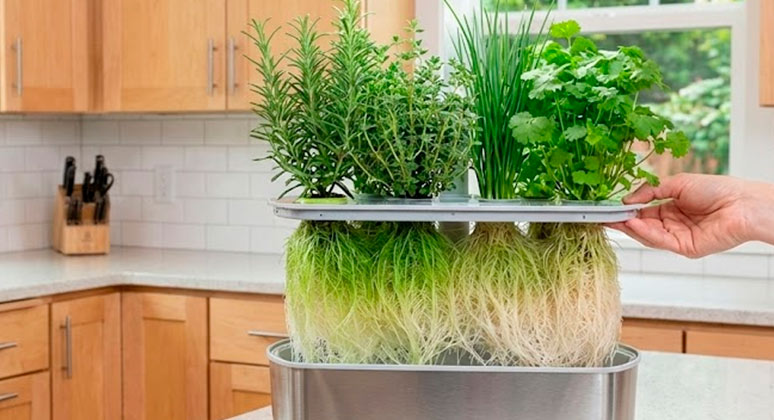
If the algae have crept down the sponge and are covering the roots (turning them green or slimy), or if you notice a bad smell, it’s time for a deep clean: change all the water, clean the tank, and consider pruning the affected roots.
Conclusion
A little green on the surface is normal in home hydroponics, but keeping it under control is key to a successful grow. The golden rule: where there’s no light, there’s no algae.