
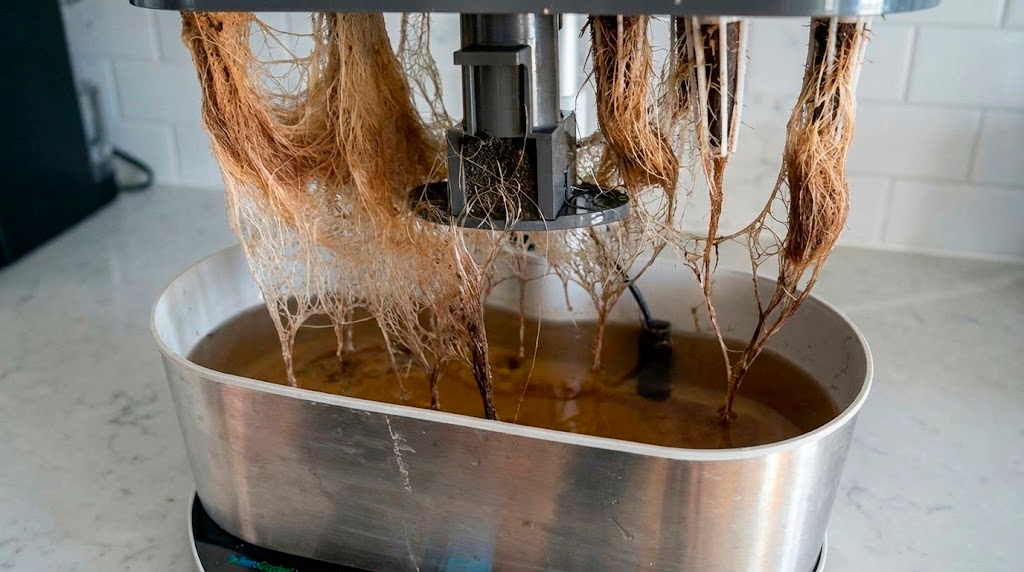
The roots are your plant’s engine. In soil growing they’re hidden from view, but the magic of SmartGardens is that you can see them at any time. A healthy root is unmistakable: white or light beige, fuzzy, and firm.
But what happens when you open the reservoir and find a dark, brown, or slimy mass? Before you throw everything in the trash, there’s something important you need to know: not all brown roots are diseased.
In this guide you’ll learn to tell the difference between a simple nutrient stain and the dreaded root rot, and how to save your crop step by step.
Note: This article includes AI-generated images and illustrations to enhance your reading experience.
The quick diagnosis: the touch and smell test
Color alone doesn’t tell the whole story. To know whether you have a serious problem, you need to do a physical check.
Scenario A — False alarm (nutrient staining)
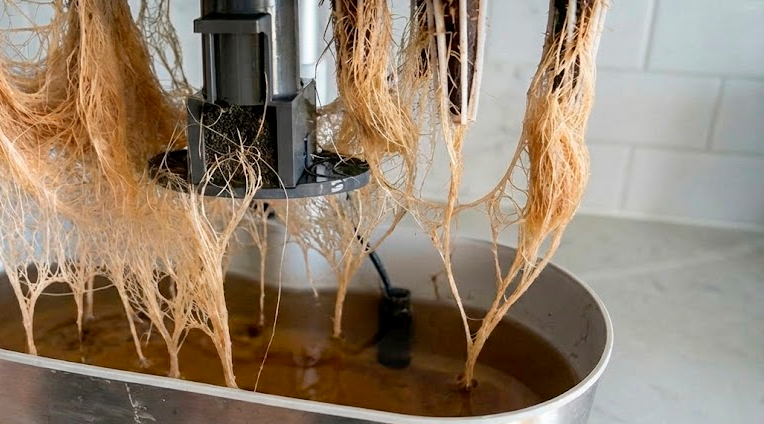
Certain fertilizers, especially those high in iron, stain the roots.
- Color: Light brown or evenly bronzed.
- Smell: Fresh plant smell or nothing at all.
- Touch: Firm — they don’t break if you pull gently.
- Verdict: Healthy. No action needed.
Scenario B — Danger zone (root rot / Pythium)
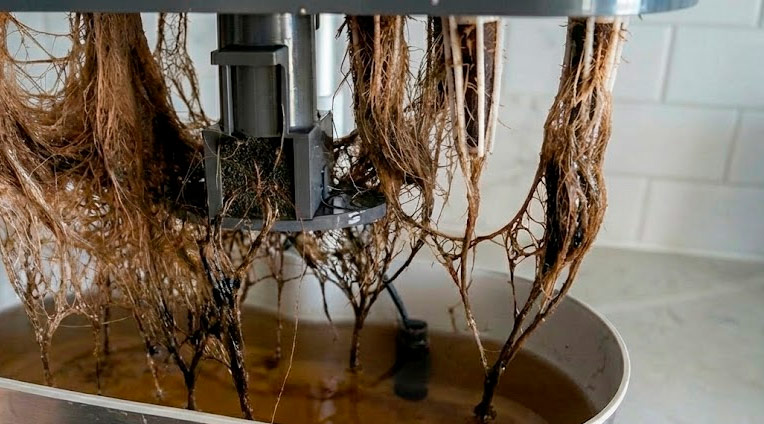
Here we’re dealing with a fungus or bacteria decomposing the tissue.
- Color: Dark brown, black, or grayish.
- Smell: Strong, sour, musty, or rotten. Unmistakable.
- Touch: Slimy, mushy, or gelatinous. If you pull gently, the outer layer slips off leaving a thin thread in the center.
- Verdict: Diseased. You need to act now.
Why do roots get sick? The 3 main causes
1. Heat (enemy number one) The ideal water temperature is between 64°F and 72°F. When it exceeds 75–77°F — very common in summer or if the system is near a window — two fatal things happen: the water loses its ability to hold oxygen, and harmful bacteria (like Pythium) reproduce at turbo speed. The roots suffocate and rot.
2. Lack of oxygen If the water pump got clogged, broke down, or was turned off for too long, the water stagnates. Without movement there’s no dissolved oxygen, and the roots can die within hours.
3. Light leaks Roots hate light. If the system’s lid doesn’t close properly or there are gaps where light enters the tank, algae will grow. When it dies and decomposes, algae steals the oxygen your plants need, triggering rot.
Rescue protocol
If you’ve confirmed root rot, don’t wait. Follow these steps:
Step 1: root surgery
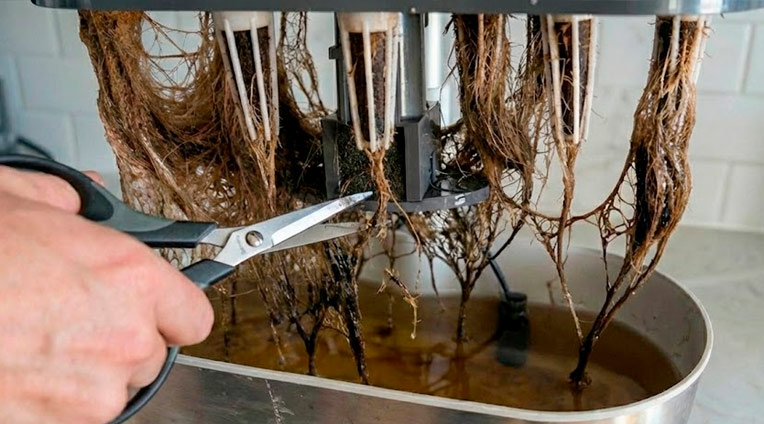
Remove the plant from the system carefully and take it to the sink. Rinse the roots under a gentle stream of cold water. With scissors sterilized with alcohol, cut away all the brown, slimy, or dead sections. Don’t be afraid — it’s better to leave a few healthy roots than many rotten ones.
Step 2: deep clean the system While the plants wait in a bucket of water, drain the tank and scrub it with water and a little white vinegar to kill fungal spores. Rinse thoroughly so no residue remains.
Step 3: hydrogen peroxide (H₂O₂) treatment
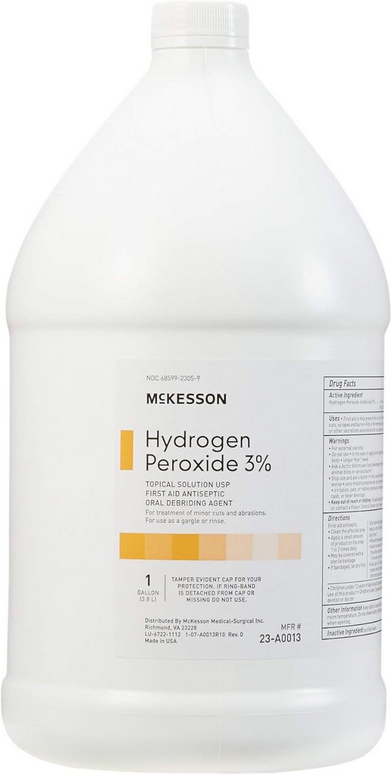
Hydrogen peroxide is the hydroponic grower’s best ally — it delivers extra oxygen and kills bacteria on contact.
Mix your fresh nutrient solution and add a splash of standard pharmacy-grade hydrogen peroxide (3%). A safe emergency dose is approximately 2 to 3 tablespoons per liter of water.
Hydrogen Peroxide 3%
Prevention: so it doesn’t happen again
- Water temperature: If your home runs hot, place the system in the coolest spot in the house, ideally on the floor where the air is coldest. On heat wave days, you can add a couple of ice cubes to the tank.
- Don’t turn off the pump: Circulation must be constant or follow the equipment’s set cycles.
- Beneficial bacteria: If you already have some experience, you can use products containing Bacillus amyloliquefaciens (like Hydroguard) that colonize the roots and protect them from fungi. Think of it as a probiotic for your plants.
- Clean between grows: Never start a new crop on top of the previous grow’s old water.
Seeing brown roots is alarming, but now you know how to tell a harmless stain from a real problem. Hydroponics is all about observation. Keep the water cool, dark, and moving, and your roots will stay white and your harvests will be abundant.