The secret nobody tells you
If you bought a SmartGarden, the sales pitch was probably something like: “Add water, add our nutrients, turn on the light, and you’re done.”
And we won’t lie to you: you can grow that way. In fact, hardy herbs like basil or mint will grow decently without much more effort than that.
However, the hydroponic systems industry tends to oversimplify the process to the extreme. The logic is straightforward: if they tell the average customer they need to measure acidity and electrical conductivity, a lot of people would walk away. But here’s the reality nobody puts on the product box:
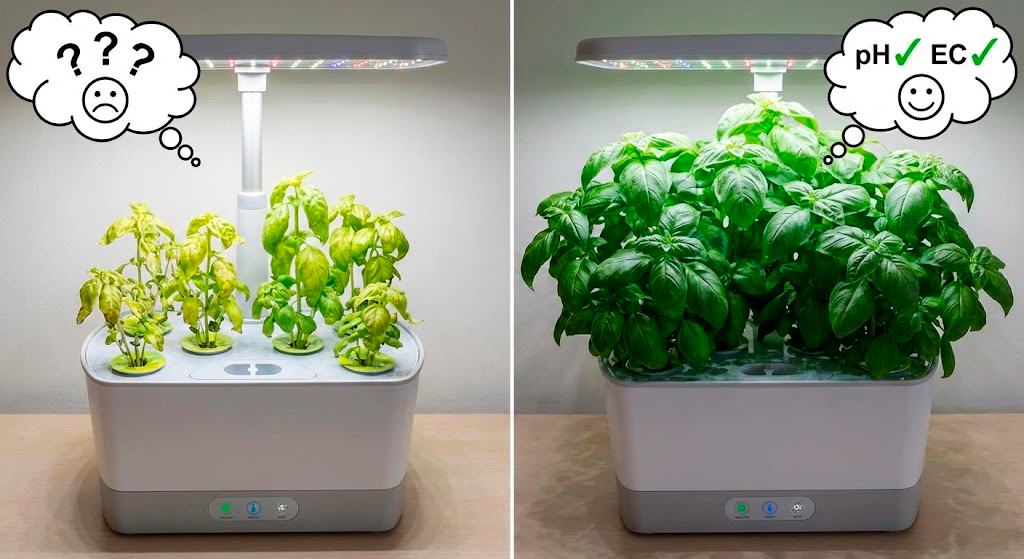
The difference between a grow where you monitor pH and EC and one where you don’t is enormous.
Almost every mysterious problem — yellow leaves, plants that stop growing, burned edges, rotting roots — isn’t bad luck. It’s the direct result of neglecting these two fundamental values.
Note: This article includes AI-generated images and illustrations to enhance your reading experience.
What are they and why do they matter?
You don’t need to be a chemist to understand this.
pH (Potential of Hydrogen)
Imagine the nutrients in the water are food, and your plant’s roots have “mouths.” pH determines whether those mouths are open or closed.
If the pH is too high (alkaline) or too low (acidic), the nutrients are in the water but the plant can’t absorb them — this is called “nutrient lockout.” You could add the best fertilizer in the world and your plant will still starve with a full plate in front of it.
The ideal range in hydroponics is between 5.5 and 6.5.
EC (Electrical Conductivity)
If pH is the key to eating, EC is how much food is on the plate.
Pure water doesn’t conduct electricity — what conducts it are the mineral salts (nutrients) dissolved in it. By measuring electrical conductivity, we know how concentrated the nutrient solution is. You’ll sometimes see this expressed as PPM (parts per million), which is just another way of reading the same data.
- Low EC: Watery soup. The plant doesn’t get enough energy to grow.
- High EC: Overly salty soup. It burns the roots and dehydrates the plant.
Tools: how do we measure these?
Now that we know what they are, let’s look at how to measure them. It’s important to understand that these are two separate measurements, and while devices exist that do both, we’ll cover each option individually.
How to measure pH
There are three tiers of tools depending on your budget and the precision you need:
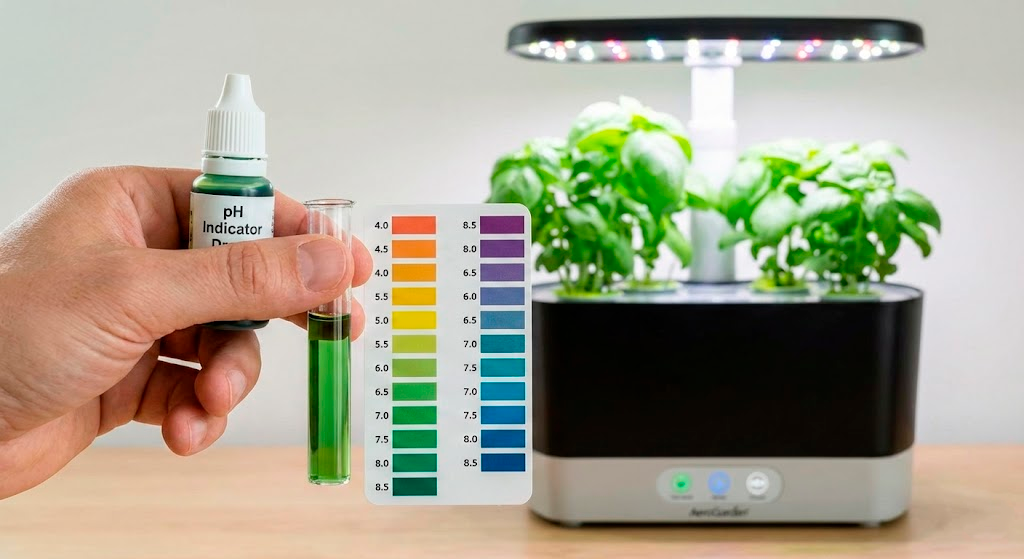
Option A — Reagent drops and test strips (affordable and reliable) The classic method: take a water sample in a test tube, add a few drops of reagent liquid, and the water changes color. Compare it to a chart and you’re done.
- Pro: Very cheap, never needs calibration, no batteries required. It’s the perfect backup system.
- Con: It’s subjective — sometimes it’s hard to tell the difference between a yellow and a light orange.
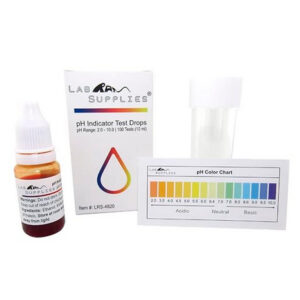
pH Indicator Test Drops, Universal Application (pH 2.0-10.0), 100 Tests | Contains 10 ml Bottle of Solution and 20 ml Screw Top Plastic Bottle
Option B — Generic digital pH pens Those meters that flooded the market and give you an exact number (e.g., 6.2).
- Pro: Digital, accessible, and easy to use.
- Con: They lose calibration easily. If you go this route, also buy calibration solutions (buffer 4.0 and 7.0) and recalibrate every 15 days.
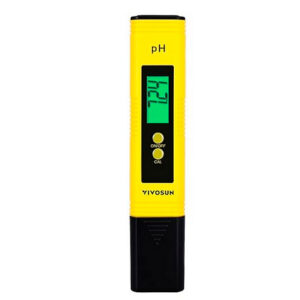
Digital pH Meter, 0.01pH High Accuracy Pen Type pH Tester for Hydroponics
Option C — Professional grade (BlueLab, Hanna, Apera) The best investment if you want peace of mind.
- Pro: Fast readings, automatic temperature compensation, waterproof, and with a wet-stored probe that extends its lifespan.
- Con: Higher price, though the reliability more than justifies it.
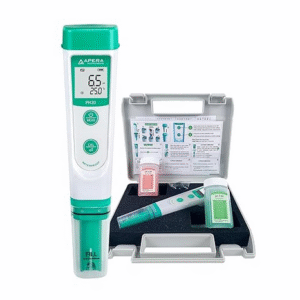
pH Meter Apera Instruments AI209
How to measure EC (or PPM)
Unlike pH, there are no color drops here — all the options are digital.
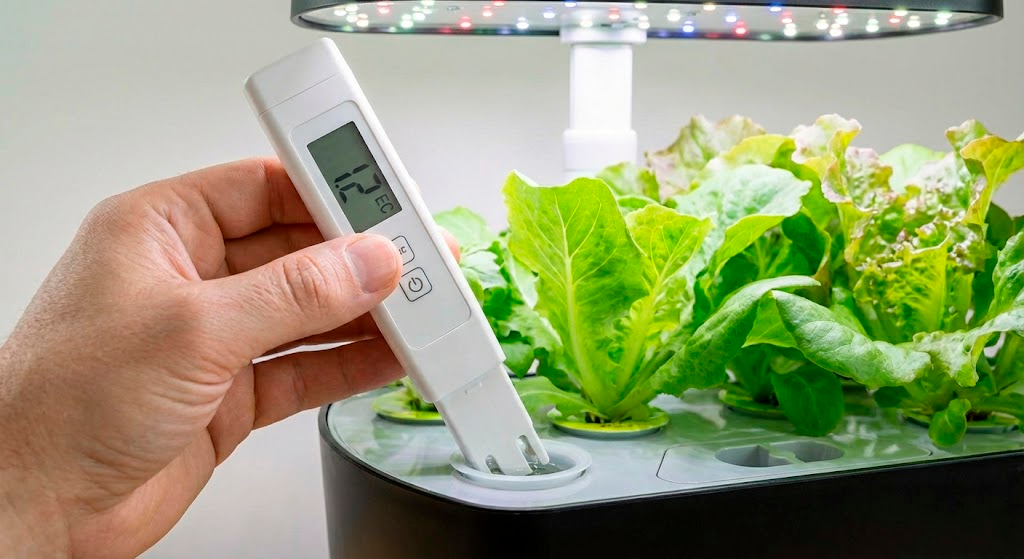
Option A — Generic TDS/EC meters Usually inexpensive and, unlike generic pH meters, they tend to work quite well because the technology for measuring conductivity is simpler.
- Pro: Very cheap, batteries last forever, and they rarely need calibration.
- Con: Some come miscalibrated from the factory — reading high or low — and your plants end up underfed or overfed without you realizing it.
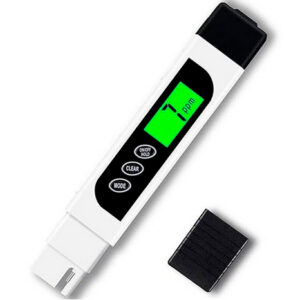
Digital TDS Meter, Hofun 3 in 1 TDS, EC & Temperature Meter, Accurate & Reliable PPM Meter, Water Testing kits for Hydroponics, Drinking Water Quality, Aquarium
Option B — Professional meters (BlueLab Truncheon, Apera EC Pen) Precision tools designed for the serious grower.
- Pro: Many are fully submersible and deliver completely reliable readings.
- Con: Higher upfront cost.
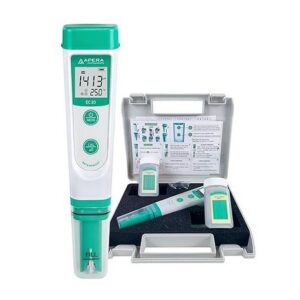
EC Meter Apera Instruments AI209
The secret of budget systems
A generic or budget SmartGarden can outperform a top brand system if you control pH and EC.
We often blame the system, the pump, or the LEDs when a grow fails, but 90% of the time it’s simply the water chemistry. Your plant doesn’t know whether the system cost $50 or $200 — it only knows whether the water has the right pH and the right amount of food.
Don’t forget the rest of the ecosystem
pH and EC are the stars of the show, but they’re not the only factors:
- Water changes: Change the tank water completely every month to prevent salt buildup and imbalances.
- Ventilation: A small external fan strengthens stems and prevents fungal issues from stagnant humidity.
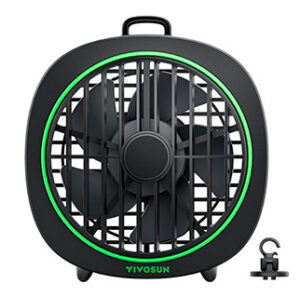
AeroWave D4, 4” Clip Fan with Detachable Hook, 3-Speed Strong & Quiet Airflow, Adjustable Airflow Angle for Hydroponics
- Cleanliness: Keep the surface free of dead leaves to prevent pests.
Is the investment worth it?
If you just want to grow a small basil plant and don’t mind if it turns yellow after two months, you can ignore all of this. But if you want sweet cherry tomatoes, crispy lettuce, or real hot peppers in your kitchen, you need to measure.
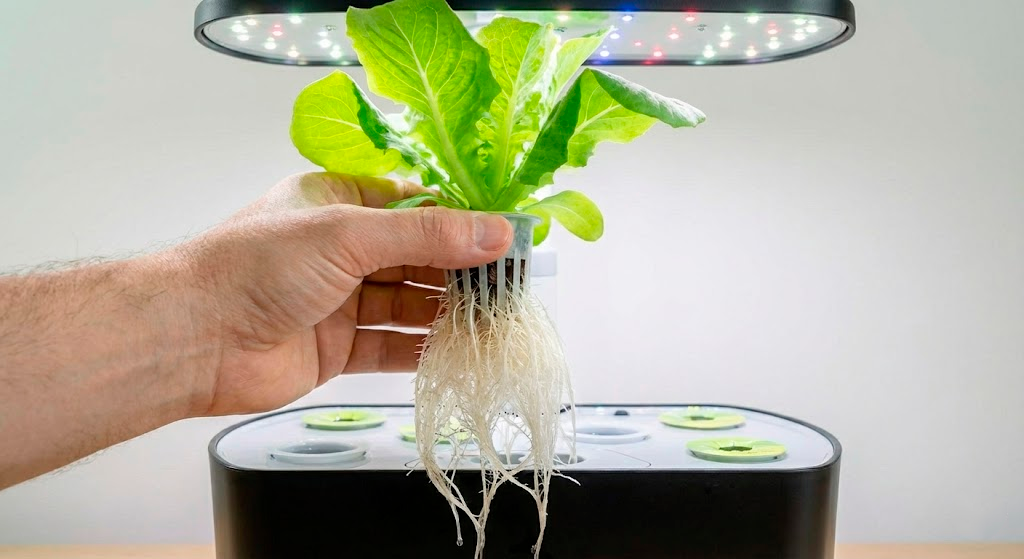
Those massive white roots you see in successful grows are the direct result of pH and EC being kept in check. Taking the step to measure these values is the graduation from “person with a lit-up pot” to a real hydroponic grower.
The time investment is minimal — 5 minutes a week — and you’ll recoup it with your very first successful harvest. Take control of your water and your plants will reward you with growth you didn’t think was possible.